
Accessories & Gear
Fuji Rakan 29 LT 1.1: A Complete Look at This Enduro Mountain Bike

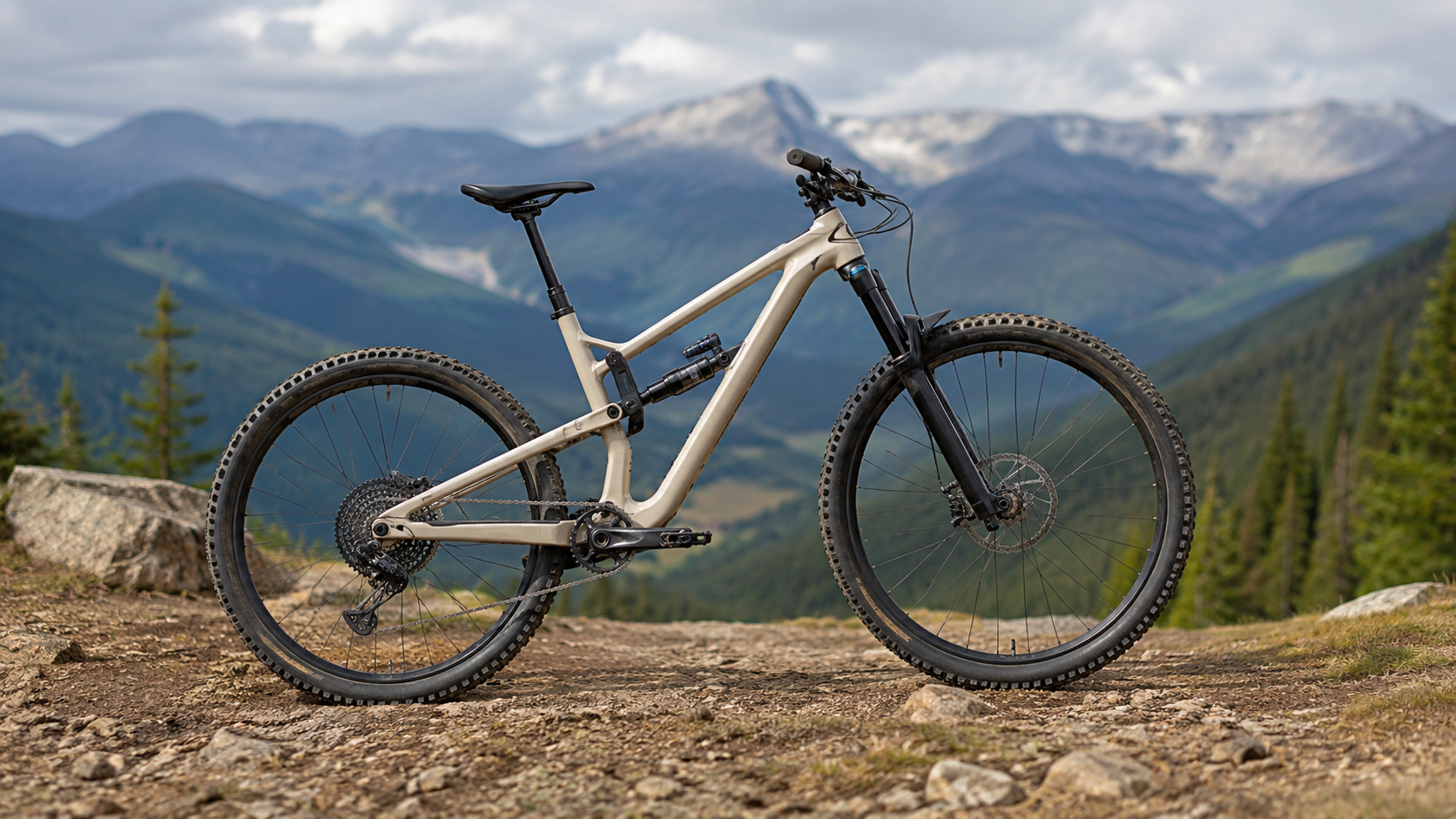
Introduction
Riders searching for the Fuji Rakan 29 LT 1.1 are usually trying to answer one of two questions: what exactly does this bike offer, or how does it compare to other enduro and all-mountain bikes in a similar price range. Fuji doesn’t market as aggressively as some larger mountain bike brands, so detailed, straightforward information on this model can be harder to find than it should be.
This guide walks through what the Fuji Rakan 29 LT 1.1 is built for, how its components work together, and where it fits among other aluminum enduro bikes. The goal is to give a clear, accurate picture so you can judge whether it fits your riding style, without any sales pitch attached.
Direct Answer
The Fuji Rakan 29 LT 1.1 is an aluminum-framed enduro and all-mountain bike with 29-inch wheels, 150mm of rear suspension travel, and a 160-170mm travel fork depending on model year. It uses Fuji’s MLink suspension system, a SRAM GX Eagle 12-speed drivetrain, and RockShox suspension components. It’s built for aggressive trail riding, enduro racing, and bike park use rather than cross-country or casual riding.
What the Fuji Rakan 29 LT 1.1 Is Built For
The Rakan LT sits in Fuji’s lineup as the longer-travel version of the standard Rakan trail bike. Where the base Rakan targets efficient trail riding, the LT variant increases suspension travel to handle steeper, rougher terrain with more confidence. The “1.1” designation refers to the specific build kit, meaning the frame paired with a particular set of components, since Fuji offers the Rakan LT platform across a few different build levels.
This bike falls into the enduro and all-mountain category, which generally means it’s designed to climb reasonably well while still descending aggressively. It’s not a cross-country race bike, and it’s not a dedicated downhill sled either. It’s built for riders who want one bike that can pedal to the top of a trail and then handle technical, high-speed terrain on the way down.
Frame and Suspension Design
The frame uses Fuji’s A6-SL super-butted aluminum construction for both the front and rear triangle, with molded chainstay and down tube protection built into the frame material. This aluminum construction keeps the price more accessible compared to carbon fiber options while still delivering a durable, trail-ready frame.
Suspension comes from Fuji’s proprietary MLink system, engineered to offer small bump sensitivity while still handling larger impacts on rougher trail sections. Rear travel measures 150mm, and fork travel varies by model year, with earlier versions using a 160mm fork and later builds moving up to 170mm for even more descending capability. Boost 148x12mm rear spacing adds stiffness to the rear end, which improves cornering precision and power transfer, particularly useful on an enduro bike pushed hard through turns.
Key Components
Suspension: The RockShox ZEB Select+ fork with a DebonAir spring handles front suspension duties, paired with a RockShox Super Deluxe Coil Select+ rear shock. The coil shock, rather than an air shock, tends to offer smoother, more consistent small-bump performance, though it adds some weight compared to an air-sprung alternative.
Drivetrain: The build uses a SRAM GX Eagle 12-speed drivetrain, including GX Eagle shifters, rear derailleur, and a wide-range 10-52 tooth cassette. This single-chainring setup simplifies shifting and reduces maintenance compared to a front-and-rear derailleur system.
Brakes: Later builds use TRP’s 4-piston brakes with 203mm front and 180mm rear rotors, giving strong, consistent stopping power suited to steep, technical descents. Earlier model years used TRP Quadiem brakes with a similar rotor setup.
Tires: The Rakan LT 1.1 pairs a Maxxis Assegai front tire with a Maxxis Minion DHR II rear tire, both in a 2.4 to 2.5-inch width with EXO+ casing for added puncture resistance. This front-rear tire combination is a common enduro setup, prioritizing front-end grip while keeping the rear tire slightly faster rolling.
Dropper post: A Crankbrothers Highline 3 dropper post is included, with drop length scaled to frame size, shorter drops on smaller frames and longer drops on larger ones, which is a thoughtful detail for rider fit across the size range.
Geometry and Sizing
The Rakan LT 1.1 comes in four frame sizes: small, medium, large, and extra large. Geometry leans toward modern enduro standards, with a slack head tube angle around 63.5 degrees for stability at speed and a steep seat tube angle in the mid-to-high 70s for efficient climbing posture. Reach figures range from roughly 450mm on the smallest frame to 510mm on the largest, giving riders a fairly generous range to dial in fit based on height and riding preference.
This geometry reflects current trends in enduro bike design: a longer front end and slacker head angle for descending confidence, balanced against a steeper seat angle to keep climbing from feeling like a fight against the bike’s own geometry.
Why This Bike Matters for Certain Riders
The Fuji Rakan 29 LT 1.1 fits a specific type of rider well:
- Enduro racers who need a capable, race-ready platform without a carbon frame price tag
- All-mountain riders who split time between steep descents and longer climbing approaches
- Bike park riders who want a pedal-friendly bike that can still handle lift-served terrain
- Riders upgrading from a shorter-travel trail bike who want more capability on rough descents
For these riders, the value comes from the combination of a durable aluminum frame, trail-proven suspension design, and a component spec that doesn’t require immediate upgrades to perform well.
Benefits
Aggressive descending capability. With 150mm rear travel and up to 170mm up front depending on year, the Rakan LT 1.1 handles rough, steep terrain with more confidence than shorter-travel trail bikes.
Reliable component spec. SRAM GX Eagle, RockShox suspension, and TRP brakes are well-regarded in the mountain bike world, meaning parts and support are widely available.
Durable frame construction. The aluminum A6-SL frame with reinforced chainstay and down tube protection holds up well to the abuse enduro riding tends to bring.
Boost spacing for stiffness. The wider rear hub spacing improves cornering precision, which matters on a bike meant to be pushed hard through turns.
Limitations and Considerations
Weight. Aluminum frames and coil shocks add weight compared to carbon alternatives, which becomes noticeable on longer climbs or all-day rides with significant elevation gain.
Not ideal for cross-country riding. The long travel and slack geometry that make this bike capable on descents work against it on flatter, faster cross-country terrain, where a shorter-travel bike would climb and accelerate more efficiently.
Coil shock maintenance. Coil shocks require selecting the correct spring rate for rider weight, and swapping springs adds a step that air shocks don’t require.
Component wear on aggressive terrain. Like any enduro bike ridden hard, brake pads, tires, and suspension seals wear faster under frequent bike park or steep-trail use, which is a normal trade-off for this category rather than a flaw specific to this model.
Step-by-Step: Evaluating Whether This Bike Fits Your Riding
- Identify your primary terrain. Steep, technical trails and bike park riding suit this bike well; flatter, faster terrain suits a shorter-travel bike better.
- Check your local dealer network. Fuji sells primarily through authorized dealers, so confirming service and parts availability nearby is worth doing before buying.
- Compare model years. Fork travel and brake specifications have changed across model years, so confirming the exact year’s build sheet matters if buying used.
- Try the coil shock feel. If you haven’t ridden a coil-sprung enduro bike before, testing one helps set expectations, since it feels different from an air shock.
- Confirm frame size using reach and standover. Given the range across sizes, checking actual geometry numbers against your height is more reliable than relying on generic size charts.
Common Mistakes and Misconceptions
Myth: All Rakan LT builds are identical. The “1.1” designation refers to a specific build kit; other Rakan LT models use different components, suspension, and pricing.
Myth: More travel always means a better bike. More suspension travel adds descending capability but also adds weight and reduces climbing efficiency, so more isn’t automatically better depending on your terrain.
Mistake: Ignoring model year differences. Fork travel increased from 160mm to 170mm in later model years, and brake specifications changed as well, so assuming all Rakan LT 1.1 bikes are spec-identical can lead to confusion when comparing used listings.
Mistake: Overlooking coil shock spring rate. Buying the bike without checking whether the stock coil spring rate suits your body weight can result in a harsher or overly soft rear suspension feel until it’s corrected.
Real-World Examples
An enduro racer competing in regional events might choose the Rakan LT 1.1 specifically for its aluminum frame durability, since race runs often involve rock strikes and hard landings that would be costly on a carbon frame. A rider who splits weekends between local bike park laps and longer backcountry trail rides might appreciate the balance between the bike’s descending capability and its still-reasonable climbing manners. A rider upgrading from a 120mm trail bike might choose the Rakan LT 1.1 because the added travel and slacker geometry make previously intimidating trail features feel more manageable.
Key Facts
- The Fuji Rakan 29 LT 1.1 uses an aluminum A6-SL frame with 150mm of rear travel.
- Fork travel was 160mm on 2021 model year builds, later increasing to 170mm on subsequent model years.
- It sports 29-inch wheels, was priced around $4,999 USD, and came in sizes SM, MD, LG, and XL.
- The drivetrain uses a SRAM GX Eagle 12-speed setup with a 10-52 tooth cassette.
- Tires include a Maxxis Assegai front and Maxxis Minion DHR II rear, both in EXO+ casing for added puncture protection.
- Rear suspension uses a RockShox Super Deluxe Coil Select+ shock, while the fork is a RockShox ZEB Select+ with a DebonAir spring.
FAQ
What is the Fuji Rakan 29 LT 1.1? It’s an aluminum enduro and all-mountain mountain bike with 29-inch wheels, 150mm of rear suspension travel, and a component build centered around SRAM GX Eagle and RockShox suspension.
How does the Fuji Rakan 29 LT 1.1 perform on climbs? Its steep seat tube angle helps climbing posture, though the bike’s weight and long-travel suspension make it less efficient uphill than a shorter-travel trail bike.
Why does the Fuji Rakan 29 LT 1.1 use a coil shock instead of an air shock? Coil shocks generally offer smoother, more consistent small-bump sensitivity, which suits the rough, high-speed terrain this bike is designed to handle, at the cost of some added weight.
Is the Fuji Rakan 29 LT 1.1 safe for beginner riders? It can be ridden by beginners, but its slack geometry and long travel are optimized for aggressive terrain, so newer riders on mellow trails may find a shorter-travel trail bike more manageable and efficient.
What are the alternatives to the Fuji Rakan 29 LT 1.1? Comparable aluminum enduro bikes from other brands offer similar travel and component levels at similar price points, and riders considering the Rakan LT 1.1 often cross-shop it against other 150-160mm aluminum enduro platforms in the same price range.
What should someone know before buying a Fuji Rakan 29 LT 1.1? Confirm the exact model year’s fork travel and brake spec, check local Fuji dealer availability for service and parts, and consider whether the coil shock’s stock spring rate matches your body weight.
Where can the Fuji Rakan 29 LT 1.1 be purchased? Fuji bikes are sold primarily through authorized dealers, both online and in physical bike shops, rather than direct-to-consumer in most markets.
Key Takeaways
- The Fuji Rakan 29 LT 1.1 is an aluminum enduro bike with 150mm rear travel and a fork ranging from 160mm to 170mm depending on model year.
- It uses a SRAM GX Eagle drivetrain, RockShox suspension, and Maxxis tires suited to aggressive trail and bike park riding.
- Its geometry favors descending stability without sacrificing climbing efficiency entirely.
- The aluminum frame keeps cost more accessible than carbon options while remaining durable under hard riding.
- It’s best suited to enduro, all-mountain, and bike park riders rather than cross-country or casual trail use.
Conclusion
The Fuji Rakan 29 LT 1.1 offers a capable, well-specced aluminum enduro platform built for riders who spend most of their time on steep, technical terrain. Its 150mm rear travel, RockShox suspension, and SRAM GX Eagle drivetrain reflect a build designed for real trail demands rather than casual riding. Like any enduro bike, it involves trade-offs, added weight and reduced climbing efficiency, in exchange for descending capability, and understanding those trade-offs is the clearest way to judge whether this bike fits your riding goals.

-
 E-Bike News1 week ago
What Is a Bike Stand? A Complete Guide to Types, Uses, and How to Choose One
-
 E-Bike News1 week ago
What Is an Elliptical Bike? A Complete Guide to How It Works, Benefits, and What to Know Before You Try One
-
 E-Bike Technology1 week ago
What Is a Sirrus Bike? A Complete Guide to the Specialized Sirrus Line
-

 E-Bike News1 week ago
Electric Commuter Bike: What It Is and How to Choose the Right One
-

 E-Bike Technology1 week ago
Films About Bikes: The Best Movies Where Bicycles Take Center Stage
-

 E-Bike News2 days ago
What Is a Beach Cruiser? A Complete Guide to Comfort Bikes for Easy Riding
-
 E-Bike News1 day ago
Types of Bikes: A Complete Guide to Choosing the Right One
-
 E-Bike News1 day ago
Tandem Bike: How Two-Person Bicycles Work and What to Know